

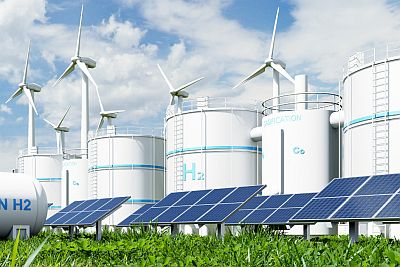
Traditional "vertically-oriented" sectoral regulation risks being inadequate for modern power systems under the challenge of energy transition. This advanced and new course addresses "on-the-edge" issues, such as the role of hydrogen and synthetic fuels, the future of natural gas networks, sector coupling (power-to-heat, power-to-gas), long-term system planning for net-zero, regulatory frameworks that support innovation, and just transition considerations.
This course is eligible for 5 CER credits. More information on the Certified Energy Regulator (CER).
In case of interest, please contact the ERRA Secretariat.
This course is Module 4 of Track A: Regulation in Energy Transition
1A1: Power and Gas Basics: System Fundamentals
This course is designed primarily for non-engineers who need a clear understanding of how power and gas systems operate. It provides a comprehensive introduction to the technical foundations of power systems, the evolution of the generation mix from thermal to renewable sources, operational challenges associated with variable generation, grid stability and frequency management, balancing mechanisms and flexibility requirements. The programme includes two dedicated modules one on power systems (duration: 2 days + site visit) and one on gas systems (duration: 1 day + site visit) – which may be attended together (total: 4 days including site visit) or separately.
2A2: Renewable Energy Integration and Support Schemes
This focused course provides an in-depth overview of renewable energy technologies, cost structures, and support mechanisms. It explores feed in tariffs, auctions, and contracts for difference, as well as capacity remuneration mechanisms and grid connection frameworks. Participants also examine regulatory approaches to curtailment, negative pricing, and the structure of renewable Power Purchase Agreements (PPAs) between RES producers and corporate off takers. Duration: 3 days.
3A3: Impact of Energy Transition on Grids, Markets and Flexibility
This focused course focuses on how increasing shares of renewables affect power grids and energy markets. Key regulatory topics include demand side flexibility and demand response programmes, energy storage technologies and business models, market design for storage and flexibility services, carbon pricing and emissions trading, electric vehicles and smart charging, as well as prosumer participation and distributed energy resources. Duration: 3 days.
4A4: Future Energy Systems and Decarbonization Pathways
Traditional "vertically-oriented" sectoral regulation risks being inadequate for modern power systems under the challenge of energy transition. This advanced and new course addresses "on-the-edge" issues, such as the role of hydrogen and synthetic fuels, the future of natural gas networks, sector coupling (power-to-heat, power-to-gas), long-term system planning for net-zero, regulatory frameworks that support innovation, and just transition considerations. Duration: 2 days.