

2026-09-29
- All
- Conference
- CP WG Publications
- Customers
- Egyéb
- Electricity
- EMER COM Publications
- ET Hub
- Evaluations
- Home Page News
- Knowledge Base on Home Page
- Latest News
- Materials
- Natural Gas
- NG COM Publications
- Other Publications
- Past Conference
- Past Events
- Past Training
- Past Webinar
- Past Workshop
- Podcast
- Public Events
- Publications
- Questionnaires
- RE COM Publications
- Registrations
- Regulatory Story of the Month
- Renewables
- Research Paper
- Sectors
- Training
- Training Podcasts
- Workshop
2026-09-14
There is no excerpt because this is a protected post.
2026-09-10
2026-09-02
2026-07-07
2026-06-19
2026-06-16
2026-06-16
2026-06-16
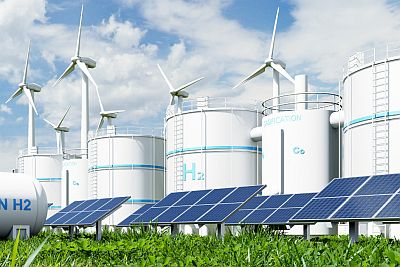
Traditional "vertically-oriented" sectoral regulation risks being inadequate for modern power systems under the challenge of energy transition. This advanced and new course addresses "on-the-edge" issues, such as the role of hydrogen and synthetic fuels, the future of natural gas networks, sector coupling (power-to-heat, power-to-gas), long-term system planning for net-zero, regulatory frameworks that support innovation, and just transition considerations. Duration: 2 days