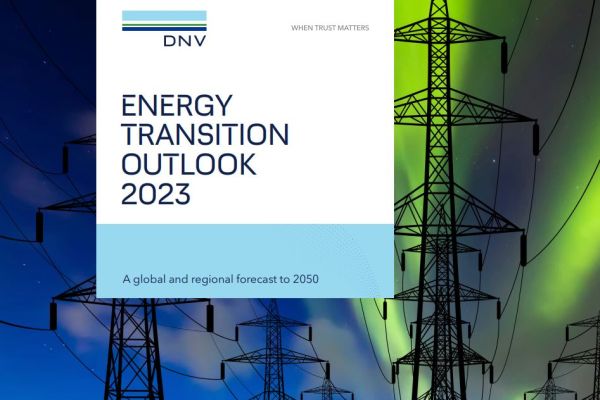

DNV’s annual Energy Transition Outlook presents the results from their independent model of the world’s energy system. It covers the period through to 2050 and forecasts the energy mix, supply and demand globally and in 10 world regions.
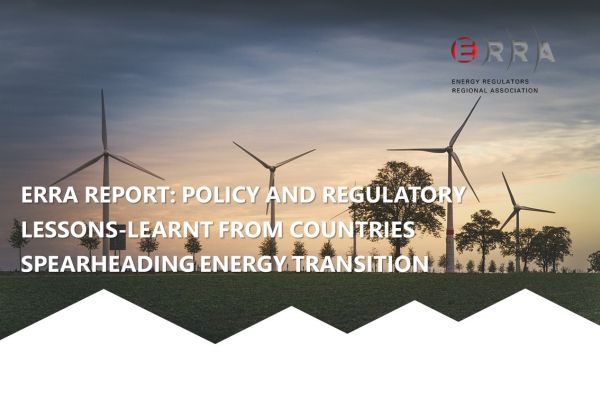
This report delves into the achievements of Sweden, Costa Rica, Brazil, New Zealand and Spain, which have successfully navigated the complexities of energy transition. It highlights their unique approaches and innovative solutions. These best practices can potentially guide ERRA countries in adopting effective strategies for the energy transition.
This study examines the production, transport and supply costs of key Power-to-X products for the year 2030. A total of 39 globally distributed regions in developing and emerging countries were therefore analyzed in terms of their renewables and Power-to-X production and supply cost potential.
The electricity production from renewable energy sources needs to be increased by a total of 27 TWh by 2030. E-Control has developed its own grid connection action plan, which provides for a number of measures to speed up the implementation of grid connections. Efficient grid connection of PV systems requires Photovoltaics as an important building block for achieving climate goals. [Featured Image from Pixabay]
National Energy Regulatory Council (NERC) of Lithuania adopted a Procedure for the Organisation of tenders and the Granting of Permits to Use Parts of the Maritime Area for the Development and Operation of Renewable Energy Power Plants. The process was possible based on amendments to the Law on Energy from Renewable Sources which were adopted in Lithuania in May 2022.
Despite the singular global goal of net zero emissions, countries will have to find their own paths to reach it, and the routes are many and varied.
While some nations have been leading the World Economic Forum’s Energy Transition Index score for a decade, others are now seeing seismic changes to their score.
So which countries are making unexpected progress in their energy transitions, and what’s behind this improvement?
EU greenhouse gas emissions fell almost 3% in the first quarter of 2023, compared to the previous year.
Emissions reductions were recorded in 21 of the 27 EU member states, with Bulgaria achieving a 15.2% drop – the biggest of any EU country.
The World Economic Forum’s Fostering Effective Energy Transition 2023 report found there has been broad progress globally on embracing clean, sustainable energy.
To achieve climate neutrality by 2050, the EU must embark on an unprecedented scale of change in both the power system and the entire economy, encompassing a diverse range of technologies and solutions. As the landscape of technologies continues to evolve, predicting the scale, pace, costs, and potentials of these developments remains a formidable challenge, prompting the EU to adopt a strategy rooted in the integration of various approaches (a mix of technologies and solutions).
The European Bank for Reconstruction and Development (EBRD) has announced a 140 million euro loan to finance the construction of Poland’s first offshore wind farm under the “Baltic Power” project.
We use cookies to ensure that we give you the best experience on our website. If you continue to use this site we will assume that you are happy with it.